


Sustainable Approaches to Water Damage Restoration and Home Repairs
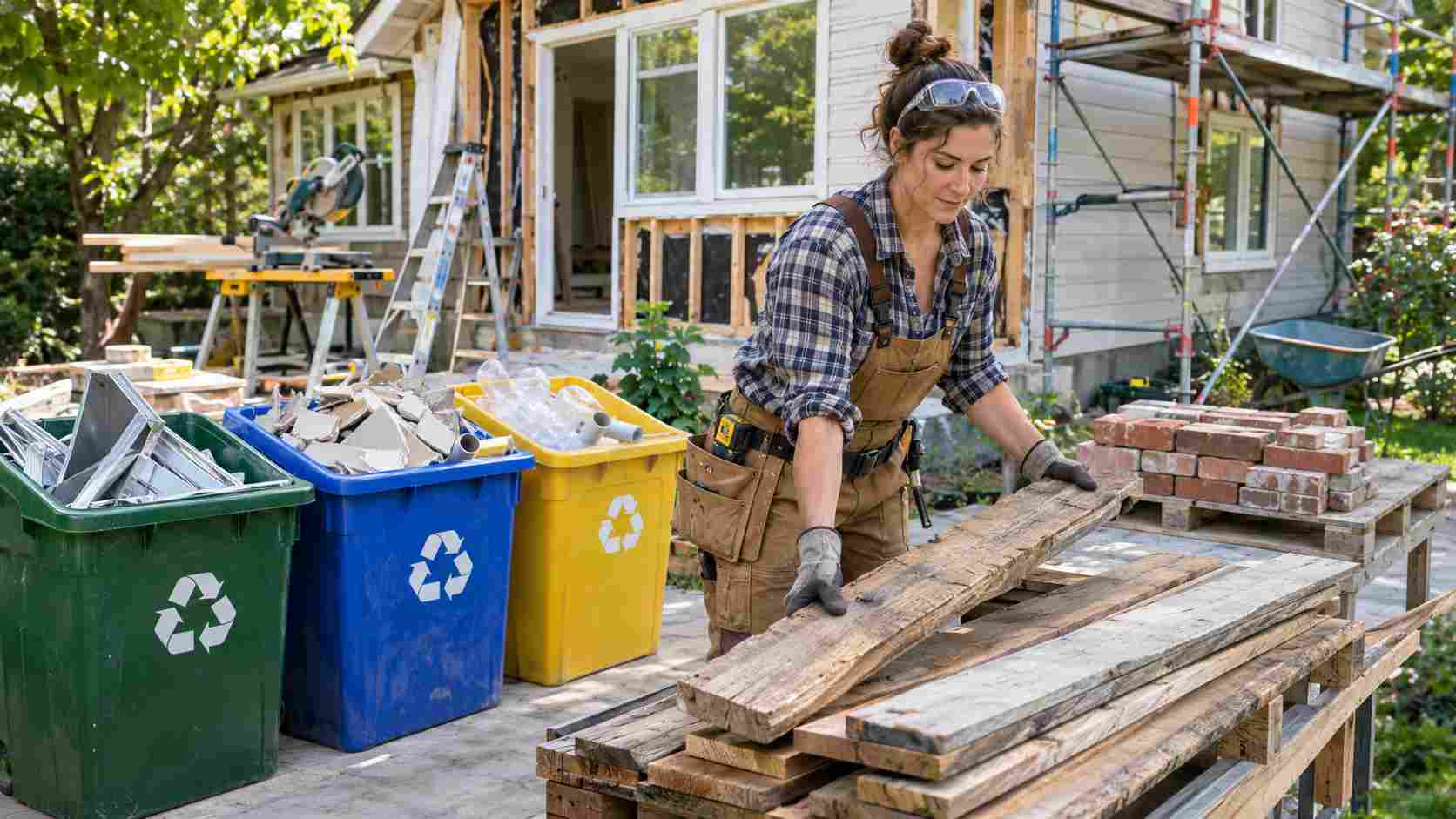
Water damage restoration involves environmental decisions that extend beyond repairing walls and floors. Damaged buildings often produce construction waste, require new materials, and consume electricity during drying. The U.S. Environmental Protection Agency (EPA) estimated that the United States generated approximately 600 million tons of construction and demolition debris in 2018. Although restoration represents only part of this total, careful repairs can help reduce unnecessary material disposal.
Local conditions also influence sustainable restoration decisions. For example, water damage restoration in Athens, GA may involve older houses, moisture-sensitive construction materials, and rainfall-related problems. Athens-Clarke County’s historic neighborhoods contain homes dating from the nineteenth and twentieth centuries. Their varied construction methods can require careful inspection before damaged materials are removed or replaced.
Repair or Replace: Which Approach Creates Less Waste?
Replacing water-damaged materials offers a straightforward solution when contamination or structural deterioration makes recovery unsafe. However, removing entire sections of flooring, drywall, or cabinetry can increase waste and material consumption.
Retaining suitable materials offers another approach. Solid wood, masonry, and certain hard surfaces may be cleaned and dried when contamination levels and material conditions permit. This can reduce demand for replacement products while preserving existing building features.
The EPA recommends removing materials that cannot be thoroughly cleaned and dried. Its flood cleanup guidance emphasizes prompt drying, preferably within 24 to 48 hours, to limit mold growth.
Neither approach works universally. Responsible restoration requires evaluating each material rather than assuming that complete replacement or preservation is always preferable.
When Does Replacement Become Necessary?
Contaminated water changes the decision considerably. Sewage, floodwater, and water containing harmful substances can penetrate porous materials and create health risks.
Carpets, insulation, and saturated drywall may require removal when effective cleaning and drying are impossible. The EPA identifies contaminated floodwater and prolonged moisture as important concerns when determining whether building materials can be safely retained.
Structural damage also matters. Warped flooring, weakened supports, and deteriorated wall components may need replacement even when reducing waste is a priority.
What Changes When Restoring Older Homes?
Older buildings introduce additional challenges because their materials, construction methods, and previous repairs can differ from modern housing.
Traditional wood framing, plaster walls, and older flooring may respond differently to moisture. Some components can remain serviceable after controlled drying, while others may require specialized repairs.
Building age also raises safety concerns. The EPA warns that homes constructed before 1978 may contain lead-based paint. Renovation work that disturbs painted surfaces can release hazardous dust, making appropriate precautions essential.
Preserving older features can reduce replacement waste and maintain architectural character. However, preservation should never override contamination control, structural safety, or applicable renovation requirements.
How Can Restoration Practices Become More Sustainable?
Environmental improvements often come from planning rather than expensive technology. Several practical methods can reduce resource consumption while supporting effective repairs.
1. Remove Only What Cannot Be Saved
Selective demolition focuses on damaged or contaminated sections instead of removing entire assemblies unnecessarily. Moisture inspections help identify affected areas and determine whether adjacent materials remain suitable for use.
This approach can reduce disposal volumes and limit purchases of replacement materials. However, hidden moisture must be addressed before surrounding surfaces are retained.
2. Improve Drying Efficiency
Drying equipment consumes electricity, especially during extensive restoration projects. Properly sized dehumidifiers, controlled airflow, and regular moisture measurements can help avoid unnecessary operation.
The U.S. Department of Energy reports that ENERGY STAR-qualified consumer dehumidifiers use approximately 15% less energy than conventional units. Equipment efficiency therefore deserves consideration alongside drying performance.
Natural ventilation may help under suitable conditions. However, outdoor humidity, contamination, and existing mold can make uncontrolled airflow inappropriate.
3. Manage Construction Waste Responsibly
Restoration debris should be separated whenever practical and safe. Clean metal, untreated wood, and certain building materials may qualify for local recycling or recovery programs.
Contaminated materials require different handling. The EPA emphasizes appropriate waste management after disasters because debris can contain substances that create environmental or health hazards.
Homeowners should confirm local disposal requirements before transporting damaged materials.
4. Choose Durable Replacement Materials
When replacement is necessary, long-term durability becomes an environmental consideration. Materials that tolerate expected moisture conditions may reduce the likelihood of repeated repairs.
Suitable choices depend on room use, building design, and exposure risks. Moisture-resistant products still require correct installation and should not substitute for fixing underlying water problems.
Lower Environmental Impact Does Not Always Mean Lower Cost
Sustainable restoration can reduce material purchases and disposal expenses. Yet specialized drying, detailed inspections, and careful preservation may increase labor costs.
Complete replacement sometimes provides a more predictable outcome, particularly after severe contamination. Conversely, replacing salvageable components may create avoidable waste without improving building performance.
The practical choice depends on the condition of the materials, expected service life, energy requirements, and total repair costs.
Homeowners should request clear explanations of what can be retained, what requires replacement, and how moisture conditions will be verified before reconstruction.
Preventing Future Damage Is Part of Sustainable Restoration
Repairing damage without addressing its cause creates the possibility of repeated waste and expense.
Preventive measures include maintaining gutters, correcting drainage problems, repairing plumbing leaks, and checking ventilation in moisture-prone rooms.
The EPA identifies moisture control as central to mold prevention. Keeping building materials dry helps protect indoor conditions and reduces the need for future remediation.
Periodic inspections are especially useful where aging plumbing, roof deterioration, or repeated rainfall exposure creates ongoing moisture concerns. Exterior maintenance also supports long-term building protection.
Practices such as sustainable exterior house washing can help homeowners remove dirt, algae, and surface buildup while considering water consumption and environmentally responsible cleaning methods.
Combined with proper drainage and timely repairs, these measures can help maintain exterior surfaces and reduce avoidable maintenance problems.
Conclusion: Better Restoration Begins With Better Decisions
Sustainable water damage repairs require balancing environmental responsibility with practical building needs. Preserving materials can reduce waste, but contaminated or structurally compromised components must be handled safely.
Selective removal, efficient drying, responsible disposal, and durable repairs offer opportunities to conserve resources. Accurate moisture assessments help determine which measures are appropriate.
Ultimately, the goal is a safe, functional home that requires fewer repeated interventions. Thoughtful restoration planning can protect existing resources while supporting healthier, longer-lasting buildings.
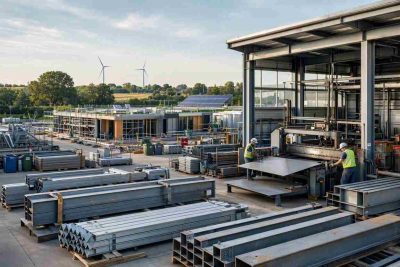 Sustainable living is often linked to recycling, saving energy, reducing waste, and choosing products that last longer. These habits matter, but sustainability also depends on how homes, buildings, transport systems, and public spaces are designed and built. One industry that plays an important role in this wider picture is RWAP steel fabrication.


 A smooth windshield guides air over the hood and roof. When glass is cracked or uneven, airflow becomes turbulent. That turbulence increases drag, especially at highway speeds. The engine compensates by using more fuel to maintain speed.


